

Destide
I’m a computer janitor that sometimes streams trying to learn dev https://www.twitch.tv/destide
- 35 Posts
- 349 Comments
Joined 1 year ago
Cake day: July 4th, 2023
You are not logged in. If you use a Fediverse account that is able to follow users, you can follow this user.

The best way for me to install steam was
sudo apt install steam-installerwill catch pretty much everything dependency wise. If I remember right, playing off an NTFS disk does cause issues. You could also try changing up proton, if you search the store for proton plus and install a recent GE version it might fix the issue if it’s a say a proprietary encoding issue.

ThinkPad gang laughing in redundant tf ports
lsblk is fun with snaps :D

The snaps bad echo chamber
Snaps bad because proprietary
Pre installed Nvidia good because propriety no wait video games!
Ubuntu’s mission was always to build bridges between the user and tech and businesses that the gnu side of Linux wouldn’t.
It’s a good just works distro that has spawned a ton of just works distros and sane server defaults. I see Ubuntu on the same level as macos.
 29·13 days ago
He should have driven an F350 there what was she thinking!
 21·15 days ago
Limonene is a pretty good solvent and as it’s naturally occurring about 90% of the oils in citrus peels. I would imagine there’s a good connection between Orange juice manufacturing and cleaning products
The best for my user cases atm
For work bluefin For general stations mint For gaming cachyos or bazzite
And btrfs with snapper
 2·21 days ago
Like a Yamaha Niken
 20·21 days ago
It amazes me it’s still as popular as it is and still own goaling at least once a year.
 32·22 days ago
Run it through proton. Import into steam from add non-steam program, or lutris
Zfs being a Maine-coon
search:boobies
No clearly Youtube have copied Nintendo and should expect a summons in due course
I really love both esp after KDE 6. But I use Gnome, KDE treats multiple monitors as separate entities I find the bugs distracting and there’s only so much customisation I need. I slap open bar on and get to work.
Wonder who was the last of your friends to log on are they still there?
No old story
Always invest in the spades never the gold mine
The longer you wait, the more distros we’ll have to argue about when you ask for suggestions







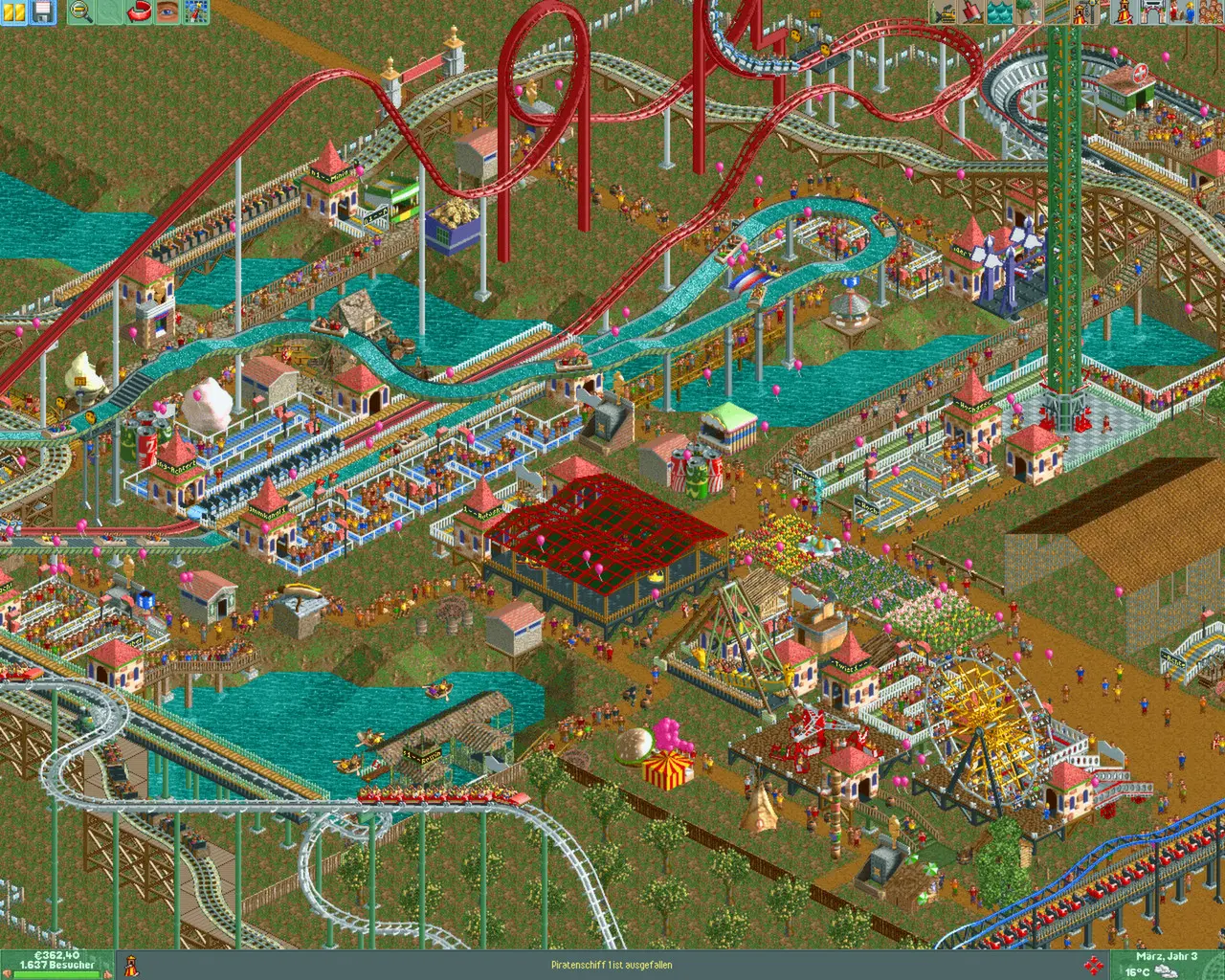

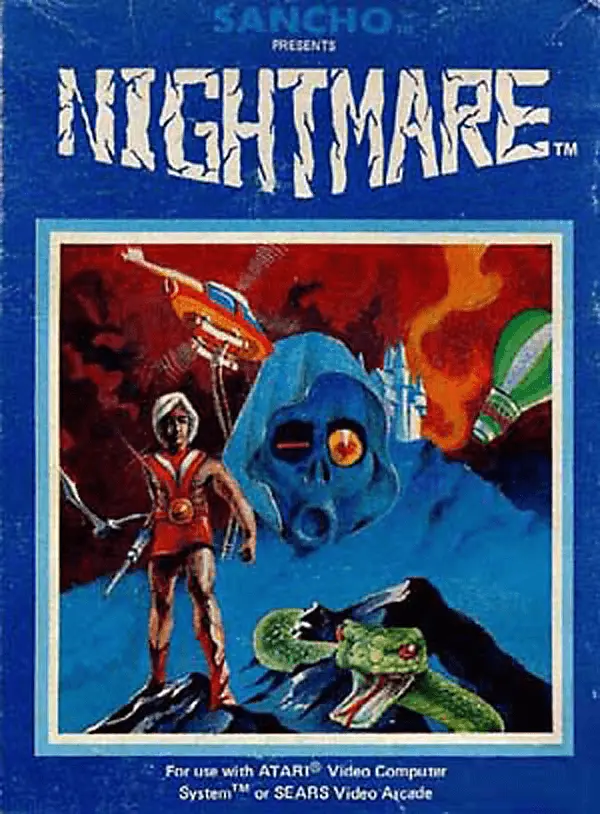
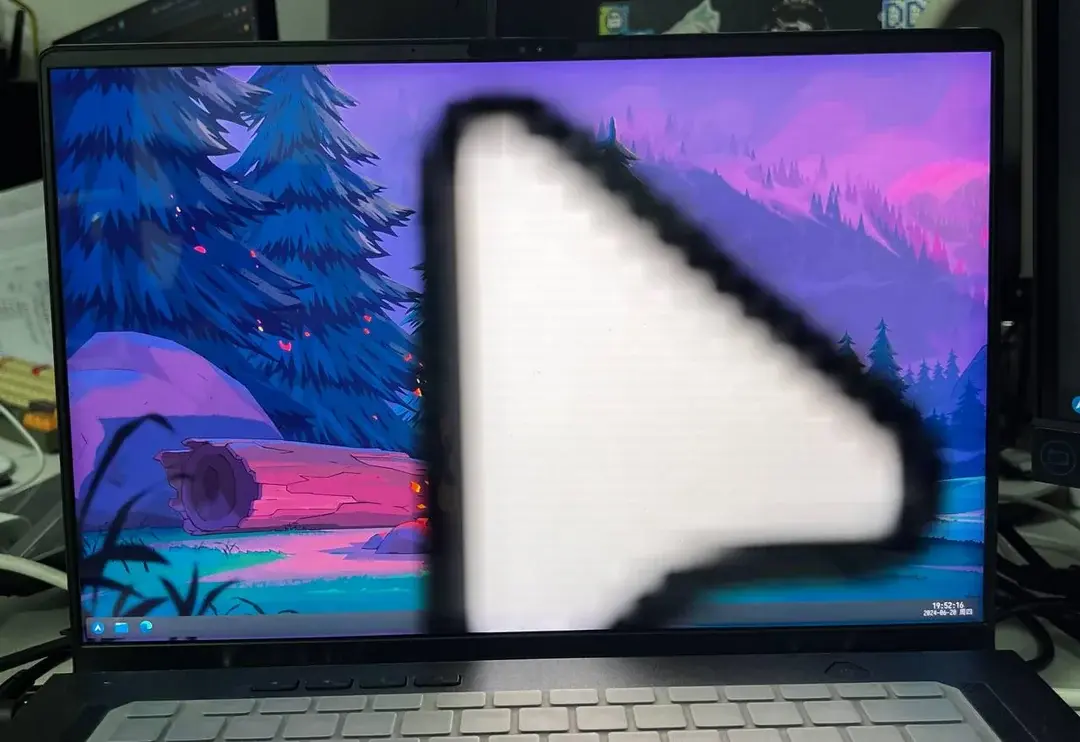


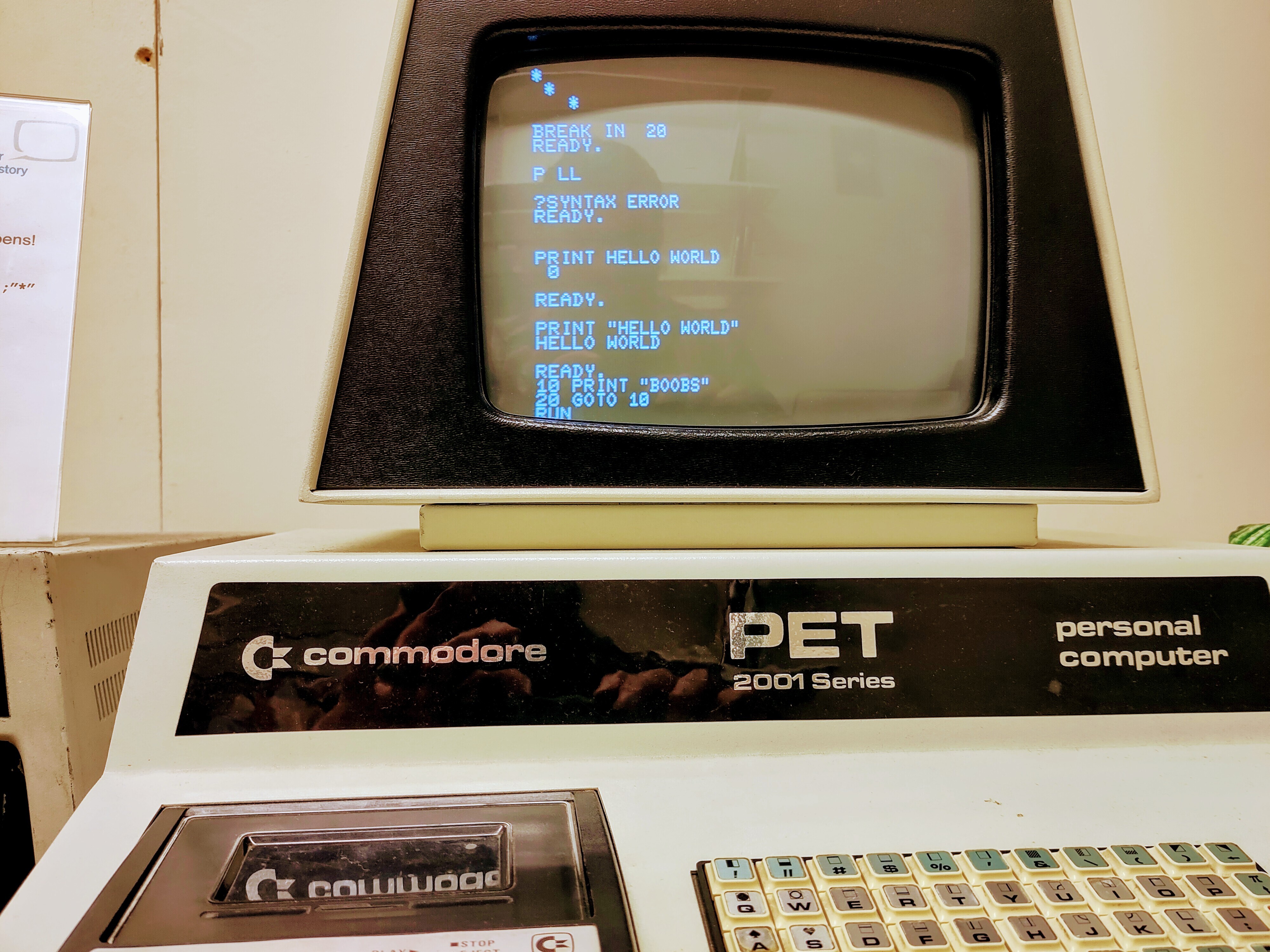


Games that maybe don’t look the best or maybe older, but it doesn’t matter because the gameplay runs deep